19 May 2026 · 5 min read
Handmade vs Mass-Produced: What You're Actually Paying For
There is a technical fact behind this whole category: there is no industrial machine that crochets. Machines knit. Anything genuinely crocheted was made by a person with a hook, one stitch at a time, which is why quantities are limited and pricing is individual.
How to spot real crochet
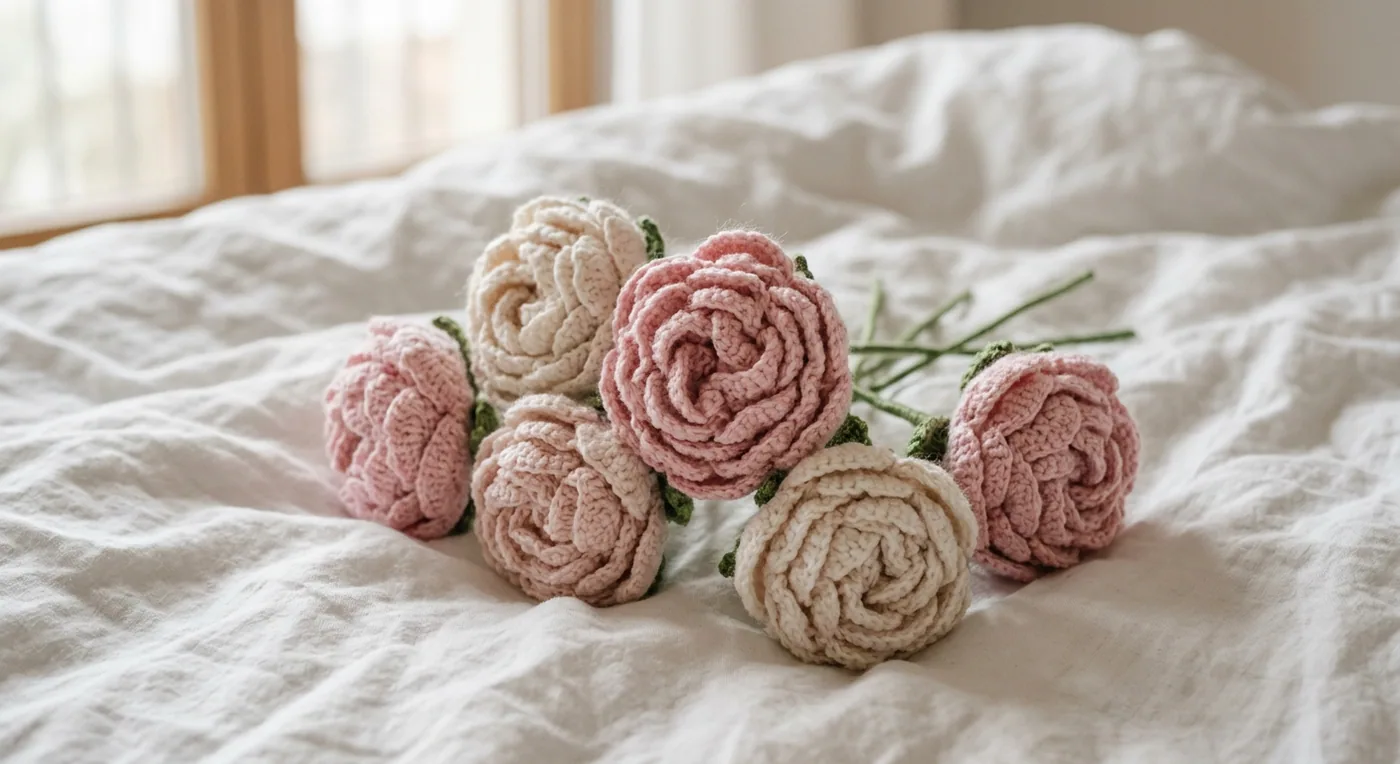
Crochet stitches look like small interlocking knots and the fabric has a denser, slightly sculptural surface. Knitted fabric shows continuous rows of V-shaped loops and stretches noticeably more. Machine-knitted 'crochet-look' items are usually identical across every unit, with perfectly symmetrical seams and no join marks.
What the difference means in use
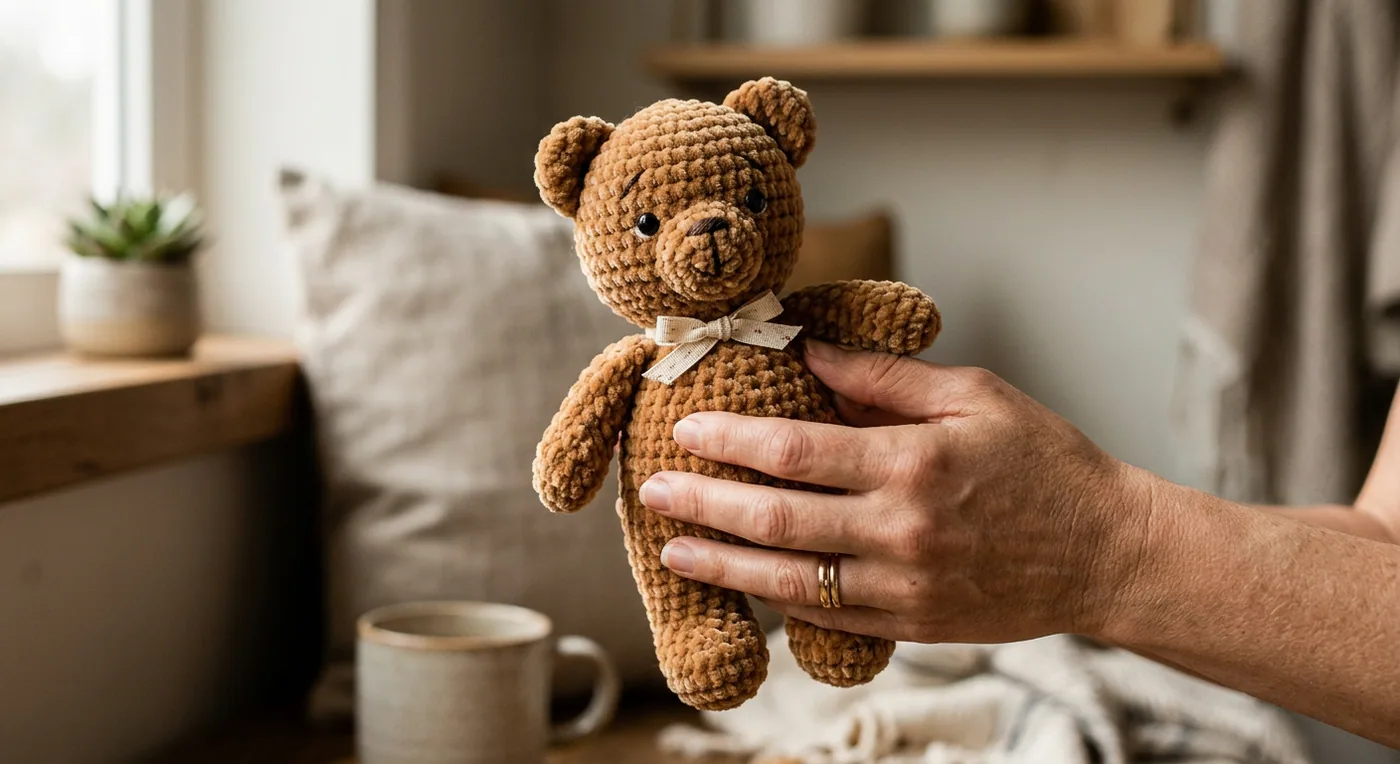
Hand-crocheted fabric holds a shape, which is why it works for sculpted flowers, structured bags and plush pieces that stay upright. It also means repairs are possible: a single element can be reworked instead of the whole item being discarded.
Materials and safety
A maker can tell you exactly which yarn went into a piece and can substitute it — certified organic cotton for a newborn, a washable blend for a family home, no loose small parts for a young child. That level of specification is rarely available at scale.
Value over time
The honest comparison is not per item, it is per year of use. Hand-worked pieces in good fibre are repairable, keepable and often passed on — which is generally why people commission them in the first place.